


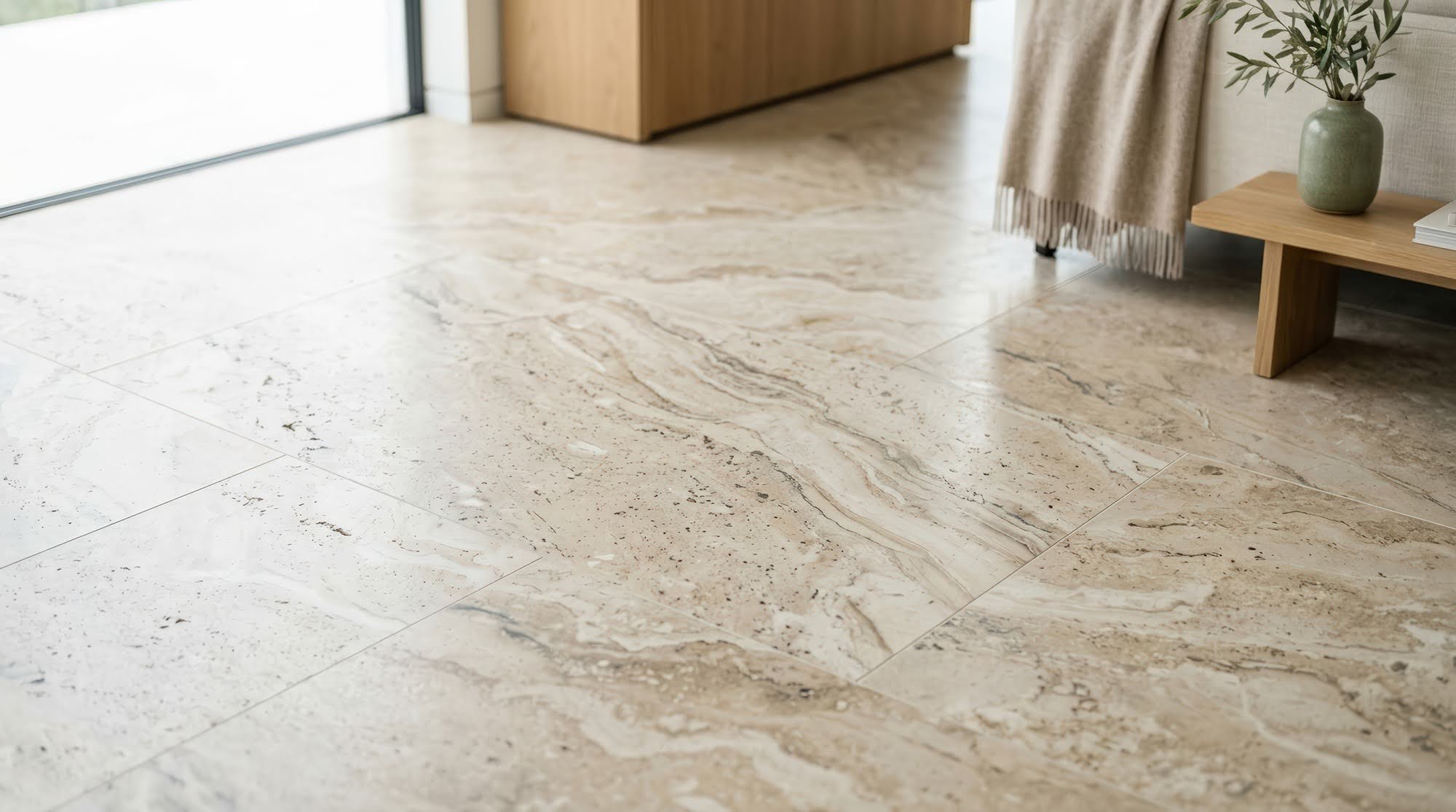
Two porcelain tiles can have almost identical colors and patterns yet create completely different rooms simply because one is matte and the other is polished. The finish affects how much light your floor reflects, how prominent the tile becomes in the room, and how practical the surface feels for everyday use.
At All-Pro Floors, we help you consider both appearance and performance when choosing tile. If you're comparing tile flooring options for your home in the Dallas-Fort Worth Metroplex, thinking about the finish room by room is one of the easiest ways to narrow your choices.
What Is Matte Porcelain Tile?
Matte porcelain has a low-sheen surface that reflects less light than polished tile. Depending on the design, the finish can create a natural, understated appearance.
You may prefer matte porcelain if you want:
A softer visual effect
Less surface reflection
A relaxed or contemporary aesthetic
Stone-look or wood-look flooring
A subtle foundation for other design features
Matte porcelain is particularly useful when you want flooring to support the overall room rather than act as its main focal point.
What Is Polished Porcelain Tile?
Polished porcelain has a smoother, more reflective surface.
The additional sheen can make colors, patterns, and stone-inspired designs appear more dramatic. Polished porcelain can be especially effective when you're trying to create a sleek or formal interior.
Consider polished tile if you want:
More light reflection
A refined appearance
Dramatic stone-inspired surfaces
Flooring or walls with stronger visual impact
The important question isn't simply which finish looks more impressive in a sample. It's which finish makes sense in the room where you intend to install it.
Matte vs Polished Porcelain in the Kitchen
Your kitchen floor has to cope with frequent foot traffic, spills, cleaning, and everyday activity.
For many busy DFW kitchens, matte porcelain is a practical place to begin your search.
Its understated appearance works well with:
Shaker or contemporary cabinetry
Quartz or natural stone countertops
Statement backsplashes
Open-concept layouts
If your kitchen already features expressive countertops, matte flooring can help balance the design rather than introducing another competing surface.
When planning several upgrades together, compare your floor with your preferred countertop materials before finalizing either surface.
Can Polished Porcelain Work in a Kitchen?
It can be an option when you want a more reflective, formal aesthetic. However, kitchen floors regularly encounter moisture and spills, so you should always confirm that the particular tile is appropriate for the intended floor application rather than selecting it on appearance alone.
Matte vs Polished Porcelain in Bathrooms
Bathrooms bring moisture into the decision, making the specific tile and installation location particularly important.
For Bathroom Floors
Matte or appropriately textured porcelain is generally the direction to investigate first when you're considering bathroom flooring.
Don't assume the word "matte" automatically means a tile is suitable for every wet environment. Review the individual product's intended application before making your choice.
Porcelain itself is a strong material to consider for bathrooms because its dense construction provides very good moisture resistance.
For Bathroom Walls
Walls give you greater freedom to use finish as a design feature.
Polished porcelain can create an eye-catching surface on:
Shower walls
Vanity walls
Feature walls
One effective approach is to combine a quieter matte floor with more reflective wall tile. You introduce contrast through finish rather than adding another color or pattern.
If your plans extend beyond tile selection, reviewing flooring and remodeling services can help you think about the floor, shower, countertop, and surrounding materials as one bathroom design.
Which Finish Is Better for Entryways and Mudrooms?
If you're choosing tile for an entryway or mudroom, prioritize the real conditions at your door.
These areas may experience:
Wet shoes
Outdoor dirt
Pet traffic
Frequent cleaning
Heavy daily foot traffic
Matte or appropriately textured porcelain is usually worth considering first for these demanding spaces.
Porcelain also brings durability and moisture resistance to areas exposed to frequent traffic and everyday spills.
Color matters, too. A medium-tone matte tile with subtle variation may be more forgiving between cleanings than an extremely light or dark uniform floor.
Matte vs Polished Tile for Living Rooms
Living rooms give you considerably more freedom because the decision can become primarily aesthetic.
Choose Matte for a Relaxed Look
Matte porcelain can work beautifully if you want:
A natural-looking foundation
Stone-inspired flooring
Wood-look porcelain
Less visual reflection
Flooring that doesn't compete with furniture
This approach can be particularly effective in open-concept DFW homes where the same tile continues into the kitchen or dining area.
Choose Polished for More Visual Impact
Polished porcelain can provide a more formal or dramatic effect.
Large stone-look tiles with a reflective finish can make the floor itself part of the design rather than simply a background surface.
Before committing, look at how much natural and artificial light reaches the room throughout the day.
How Lighting Changes the Look of Porcelain Tile
Don't underestimate lighting when choosing between matte and polished tile.
Natural Light
Polished porcelain reflects more light, so large windows can make the surface appear noticeably brighter.
Matte porcelain creates less reflection and tends to produce a softer visual effect.
Artificial Light
Pendant lights, recessed fixtures, and other lighting can also highlight surface sheen.
This is particularly important in large open spaces where lighting conditions change from one area to another.
Seeing materials in person can help you understand the difference. Visiting the All-Pro Floors showroom lets you compare tile finishes, colors, formats, and textures before narrowing your selections.
Which Finish Is Easier to Keep Looking Clean?
Porcelain is relatively easy to maintain, but the finish and color can affect what you notice between cleanings.
A more reflective surface may make some streaks, residue, or marks more visually apparent under direct lighting. Matte surfaces eliminate much of that reflection, although they aren't automatically maintenance-free.
Think about:
Amount of foot traffic
Pets
Floor color
Tile texture
Lighting
How frequently you clean
The most practical flooring isn't necessarily the surface that hides everything. It's the one whose appearance and maintenance expectations fit your routine.
Don't Forget About Grout Color
Grout changes how you perceive both matte and polished tile.
A grout color close to the tile can create a more continuous surface. Strong contrast emphasizes every joint and makes the tile layout much more prominent.
If you're choosing large-format porcelain specifically because you want clean visual flow, coordinating the grout closely with the tile can support that goal.
Make grout part of your original design selection rather than leaving the decision until installation.
Can You Use Matte and Polished Porcelain Together?
You don't need to choose one finish for the entire home.
Combining finishes can add subtle visual depth without introducing several competing colors.
For example:
Matte bathroom floor with polished shower walls
Matte kitchen floor with a reflective tile backsplash
Matte field tile with polished decorative accents
You can also compare porcelain with natural stone options if you're deciding whether you prefer manufactured consistency or natural variation.
Common Mistakes to Avoid
Choosing the Finish From a Photo
Sheen and texture are difficult to judge accurately online. See the material in person whenever possible.
Assuming All Matte Tile Is Slip Resistant
Finish terminology alone doesn't determine suitability for a wet floor. Check the specifications for the individual product and intended application.
Choosing Polished Tile Only Because It Looks Brighter
Think about traffic, moisture, maintenance, and your home's actual lighting before deciding.
Ignoring Grout
The grout joint influences the final appearance and maintenance of the complete installation.
Selecting Flooring Without Considering the Rest of the Room
Cabinets, countertops, wall colors, furniture, and lighting all affect how your tile looks once installed.
Which Porcelain Finish Should You Choose?
Start with the room rather than the trend.
For a busy kitchen, matte porcelain is a versatile option worth considering.
For a bathroom floor, begin with matte or appropriately textured options and verify that the specific product suits the application.
For bathroom walls, either finish can work, with polished porcelain providing additional reflection.
For an entryway or mudroom, prioritize practical surface characteristics, durability, and moisture resistance.
For a living room, the decision can be more design-driven. Matte offers an understated appearance, while polished porcelain creates stronger visual impact.
Find the Right Porcelain Tile for Your DFW Home
The best porcelain finish is the one that fits both your design and the way you use the room. Matte and polished surfaces can each look beautiful, but you'll get a better result when you consider moisture, traffic, cleaning, grout, lighting, and surrounding materials before deciding.
Browse tile flooring options to start comparing styles and finishes. If you're planning a tile project anywhere in the Dallas-Fort Worth Metroplex, you can also request a free in-home estimate or contact All-Pro Floors to discuss your space and flooring priorities.


