


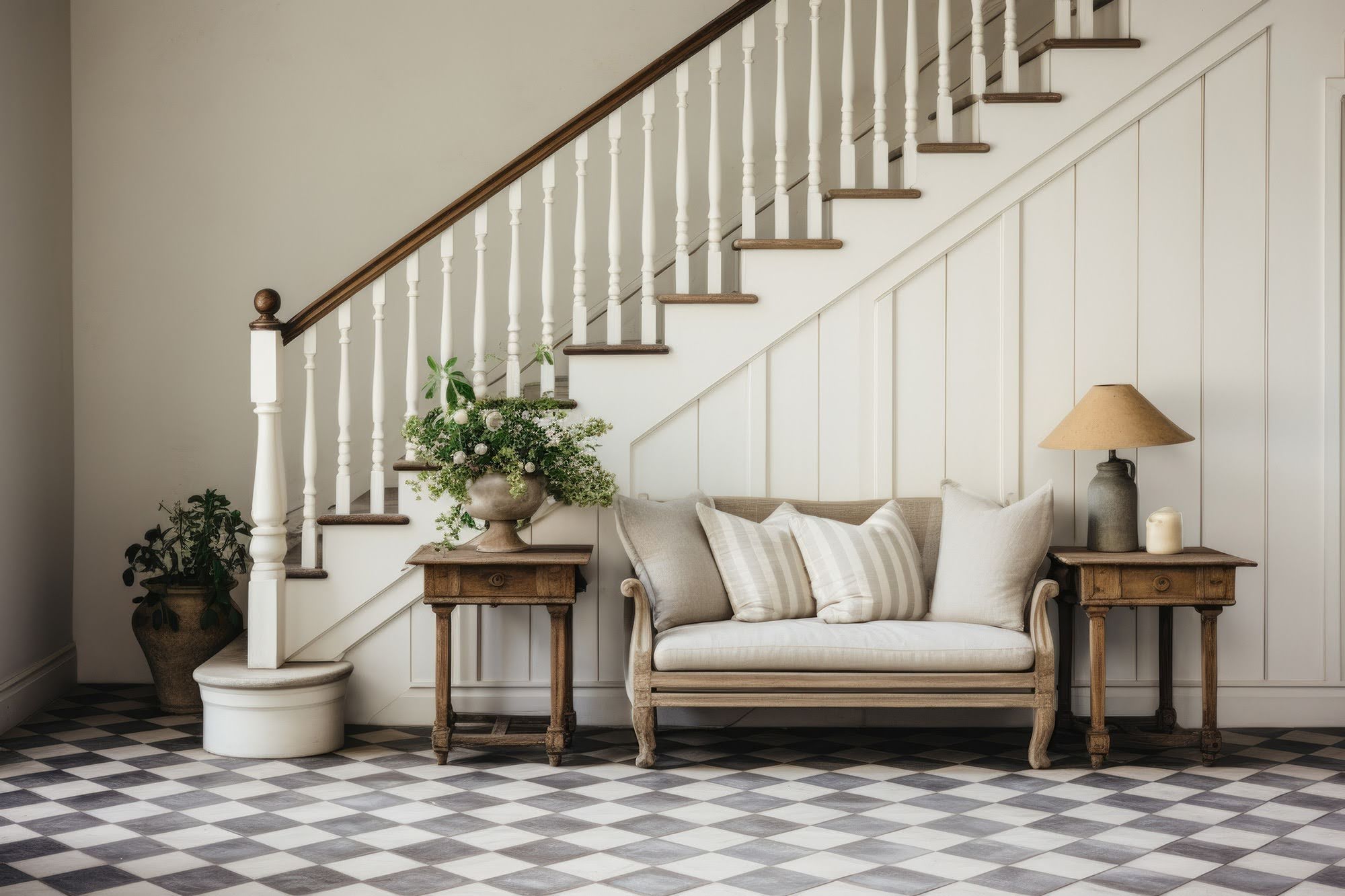
Your entryway or mudroom takes more punishment than almost any other floor in your home. Shoes bring in dirt and moisture, pets track debris inside, bags get dropped, and the same pathways see traffic day after day.
That means choosing tile for these spaces should be about more than finding a color you like. You need a surface that can handle water, dirt, paws, frequent cleaning, and heavy foot traffic without demanding constant attention.
At All-Pro Floors, we help you compare flooring based on how your home actually functions. If you're searching for durable tile flooring options for an entryway or mudroom in the Dallas-Fort Worth Metroplex, here's what deserves the most attention.
What Should You Look for in Mudroom and Entryway Tile?
A tile that looks beautiful in a showroom isn't necessarily the best choice beside your most frequently used exterior door.
For an entryway or mudroom, look closely at:
Durability under frequent foot traffic
Moisture resistance
Ease of routine cleaning
Surface finish and traction
Scratch and wear resistance
Grout color and maintenance
Color variation that works with everyday dirt
How the tile transitions into connected rooms
The right combination should make the space easier to live with without making the entrance feel purely utilitarian.
Porcelain Tile Is a Strong Choice for Busy DFW Homes
If you expect heavy traffic, pets, wet footwear, and frequent spills, porcelain tile is one of the strongest materials to consider.
Porcelain is denser and less porous than standard ceramic tile, giving it an advantage for durability and moisture resistance.
That makes porcelain particularly well suited to:
Mudrooms
Entryways
Hallways
Laundry rooms
Kitchens
Connected open-concept spaces
Porcelain also gives you considerable design freedom. Available looks can mimic natural stone or wood, and larger formats can create a clean, contemporary appearance.
If you want flooring that can handle demanding everyday conditions without looking industrial, porcelain offers a useful balance of performance and design flexibility.
Is Ceramic Tile a Good Choice for an Entryway?
Ceramic tile can still be a practical option, but where you plan to install it matters.
Compared with porcelain, ceramic is generally softer and more porous. For moderate-traffic areas where moisture exposure is limited, it may provide an attractive and budget-conscious solution.
However, if your entrance regularly deals with wet shoes, pets, dirt, and constant traffic, porcelain is typically the better material to investigate first.
Don't choose based solely on the broad category. Review the specific product's intended application before deciding whether it belongs on your floor.
What About Natural Stone?
If you prefer authentic variation and one-of-a-kind character, natural stone tile can create an impressive entrance.
Depending on the product, you may consider materials such as:
Slate
Marble
Travertine
Limestone
Granite
The tradeoff is maintenance.
Natural stone can require more attention than porcelain, including specialized cleaning and sealing for certain materials and applications.
If you want the easiest possible everyday maintenance, porcelain may make more sense. If natural variation is central to your design, stone may be worth the additional care.
Choose a Tile Finish for Wet Shoes and Paws
Surface finish matters in an entryway because moisture may be tracked across the floor.
A highly polished tile can look striking, but appearance shouldn't be the only consideration in a space routinely exposed to wet footwear.
Matte or textured finishes may be worth exploring for entryways and mudrooms. Whatever style you prefer, verify that the specific product is appropriate for the intended floor application.
The best approach is to see and feel tile surfaces in person. You can visit the All-Pro Floors location to compare tile textures, formats, and finishes before narrowing your choices.
If You Have Pets, Plan for More Than Scratches
If pets pass through your entryway daily, think about the complete maintenance picture.
Your floor may encounter:
Wet paws
Outdoor dirt
Food or water spills
Repeated traffic
Frequent sweeping and mopping
Porcelain's durability and moisture resistance make it particularly useful under these conditions.
Surface texture also matters. Your pets still need comfortable footing, so consider how the selected finish feels and performs in the actual room rather than choosing entirely for appearance.
The Best Tile Colors for Hiding Everyday Dirt
Very light floors can make dark debris obvious, while extremely dark surfaces may highlight lighter dust and pet hair.
For a busy DFW entrance, a medium-tone tile with subtle variation can provide a more forgiving appearance between cleanings.
Consider colors and patterns such as:
Warm greige
Taupe
Medium gray
Stone-look variations
Concrete-inspired neutrals
Wood-look porcelain
You don't need a heavily patterned surface. A little visual movement can prevent every footprint or speck of debris from becoming the room's focal point.
Don't Treat Grout as an Afterthought
Tile receives most of the attention during shopping, but grout has a major impact on maintenance and appearance.
For high-traffic areas, consider:
How much grout is visible
Grout color
Joint sizing appropriate to the selected tile
Cleaning requirements
Applicable sealing requirements
Should You Use Light or Dark Grout?
Strongly contrasting grout emphasizes every tile and joint.
If you want a quieter floor, a grout color that coordinates closely with the tile can create a more continuous look. It may also be more practical than stark white grout in an entrance exposed to dirt and frequent traffic.
Choose grout when you choose the tile, not on installation day.
Does Tile Size Matter?
Yes. Tile size changes both the design and the amount of visible grout.
Large-Format Tile
Larger tiles can create:
Fewer grout lines
Cleaner visual flow
A contemporary appearance
They can be particularly effective when flooring continues from the entryway into a hallway, kitchen, or living space.
Smaller Tile
Smaller formats provide:
Greater pattern flexibility
More detailed layouts
Different visual proportions for compact spaces
The right format depends on your room dimensions, tile design, and planned layout.
Consider How the Entryway Connects to Other Rooms
Your mudroom needs to perform, but it shouldn't look disconnected from the rest of your home.
Consider what the tile meets at adjoining spaces.
If you're transitioning into wood flooring, compare tile against your preferred hardwood flooring options before final selections are made.
If practicality around moisture is also a priority elsewhere in your home, evaluating waterproof flooring options alongside tile may help you develop a consistent approach across connected rooms.
The goal isn't necessarily to use one material everywhere. It's to make transitions feel deliberate.
Easy Cleaning Starts With the Choices You Make Before Installation
If easy maintenance is important, don't think about cleaning only after your new floor is installed.
Your initial choices determine how forgiving the finished surface will be.
For a practical entryway, consider:
Porcelain for moisture and durability
A matte or appropriate textured finish
Medium-tone colors
Subtle pattern variation
Coordinating grout
A tile format that balances appearance with grout maintenance
Once installed, regular sweeping or vacuuming helps remove the dirt and grit brought in through exterior doors. Routine tile and grout cleaning also helps maintain the appearance of the floor over time.
Common Entryway and Mudroom Tile Mistakes to Avoid
Choosing for Appearance Alone
A beautiful tile may not be suitable for every floor application. Consider durability, moisture, traction, and maintenance along with style.
Selecting Very Light Grout Without Considering Traffic
Think realistically about the dirt and debris entering through the space.
Assuming Every Tile Performs the Same
Ceramic, porcelain, and natural stone have different characteristics. The specific product and intended application matter.
Ignoring Adjacent Flooring
A beautiful entrance can still feel awkward if the transition into the next room wasn't considered.
Forgetting About Installation Conditions
A durable tile needs an appropriately prepared substrate and carefully planned layout. Professional flooring services can help address installation requirements as part of the full project.
Which Tile Is Best for Your DFW Entryway or Mudroom?
For spaces that regularly encounter heavy traffic, pets, dirt, and moisture, porcelain is a strong place to begin.
Choose based on your actual conditions:
Consider porcelain when you want:
Strong durability
Moisture resistance
Easy everyday care
A wide range of design choices
Consider ceramic when you want:
Flexible styles
A value-focused material
Tile for an area with more moderate demands
Consider natural stone when you want:
Authentic variation
Distinctive character
A premium natural-material appearance
Most importantly, evaluate the exact tile you plan to install rather than relying on the material name alone.
Find the Right Tile for Your DFW Home
Your entryway or mudroom is where outdoor life meets the rest of your home. Choosing tile around the messes and traffic you actually experience can give you a floor that stays practical without sacrificing the way you want your space to look.
Browse tile flooring options and compare the materials, colors, and finishes that fit your needs. When you're ready to plan your project in the Dallas-Fort Worth Metroplex, request a free in-home estimate or contact All-Pro Floors to discuss your space and flooring priorities.


